special education news : Special education news in 2026 has taken a deeply concerning turn. Across the United States, students with disabilities are facing a storm of policy reversals, budget cuts, and staffing shortages that are quietly eroding the support systems they depend on every single day. For parents, teachers, and advocates, this is not background noise — it is an emergency that demands attention right now.
The Individuals with Disabilities Education Act (IDEA) was designed to protect over 7.5 million students who receive special education services in the US. But the protections written into that law are only as strong as the systems enforcing them. In 2026, those systems are under serious strain. What follows is a breakdown of the seven most critical changes making headlines in special education news this year — and what they mean for real children in real classrooms.
Federal Funding Faces Deep Cuts
The most alarming story in special education news right now is what is happening at the federal budget level. Proposed cuts to the Department of Education have put IDEA funding directly in the crosshairs, with some estimates suggesting reductions of up to 15% in federal allocations for special education programs. For districts already running on tight margins, that kind of cut does not just sting — it breaks things.
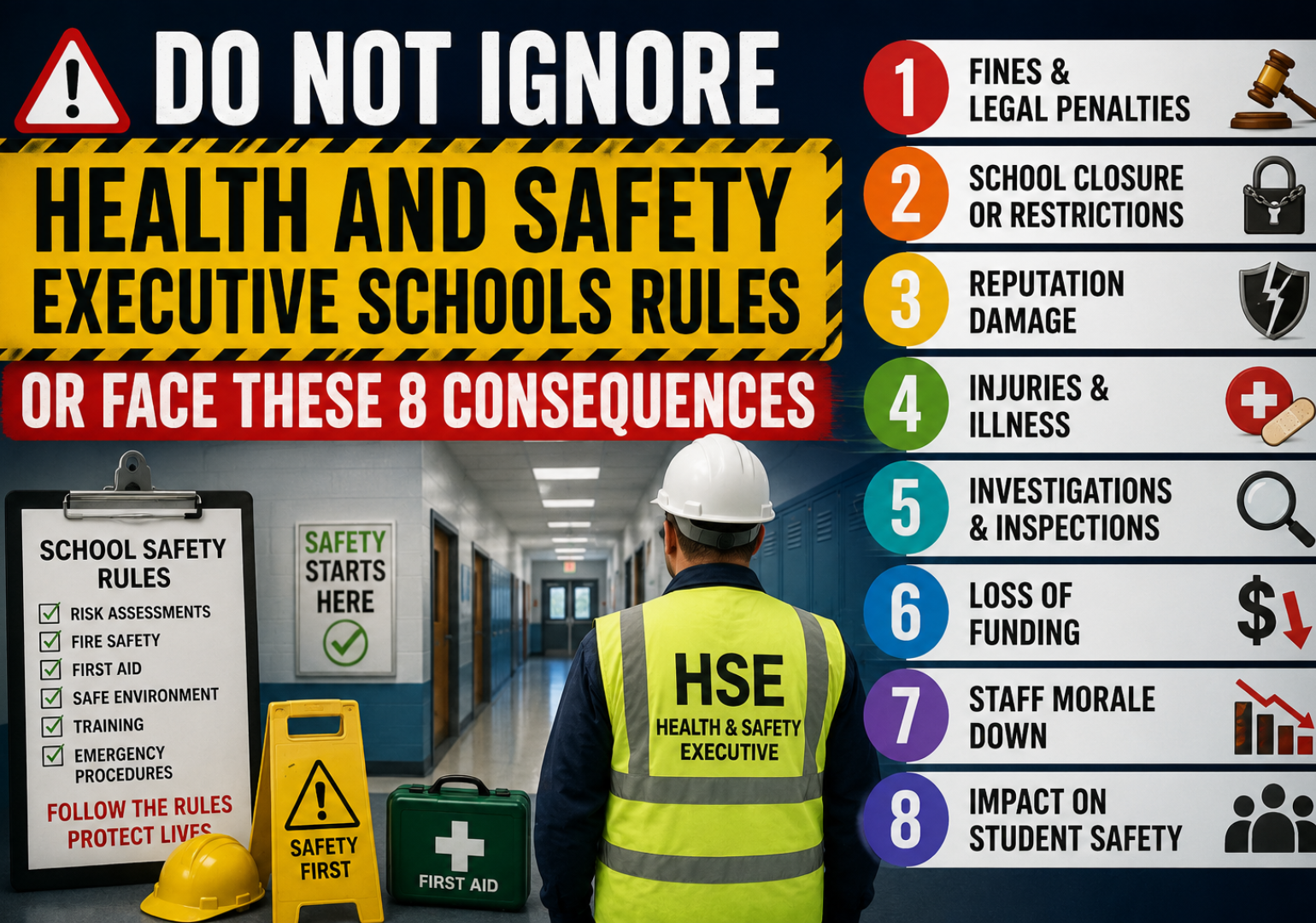
When federal money shrinks, the burden shifts to states and local districts, many of which are already underfunded. Schools start making impossible choices: cut paraprofessionals, reduce therapy hours, or merge classrooms in ways that compromise the individualized support that special education students legally require. This is not a hypothetical — schools in several states have already begun sending notices to families about reduced service hours for the upcoming school year. For more insights on how schools are managing safety and support challenges, see this resource on health and safety in schools.
IEP Compliance Rates Are Dropping
One of the quieter but more damaging trends in special education news this year is the steady drop in IEP compliance rates across multiple states. An Individualized Education Program is a legally binding document. When schools fail to follow it, they are not just dropping the ball — they are breaking the law. Yet compliance monitoring has weakened considerably, and families are increasingly left to fight alone.
Part of the problem is staffing. Special education coordinators are overwhelmed, case managers are handling double the recommended caseloads, and the paperwork burden has become almost unmanageable. When someone is juggling 40 students instead of the recommended 25, things fall through the cracks. Parents are reporting that IEP meetings are being rushed, goals are being copy-pasted from previous years, and accommodations are listed on paper but never actually implemented in the classroom.
The legal recourse available to families — due process hearings and state complaints — exists on paper but is time-consuming, expensive, and emotionally exhausting. Most families, especially those from lower-income backgrounds, simply do not have the resources to pursue it. That gap between legal rights and real access to justice is one of the most troubling themes in current special education news.
Teacher Shortages Hit Special Education Hardest
The broader teacher shortage affecting public schools across the country is hitting special education harder than almost any other area. Special education teaching positions require specialized credentials, additional coursework, and a level of emotional and logistical complexity that many new teachers are not prepared for. The result is a profession with some of the highest burnout and turnover rates in the entire education sector.
In 2026, approximately 48 states are reporting shortages of certified special education teachers. Districts are filling gaps with long-term substitutes, reassigning general education teachers without proper training, or leaving positions vacant for months at a time. None of those solutions are acceptable when you are talking about children whose learning depends on highly individualized, consistent, skilled instruction.
What makes this worse is that the pipeline is not improving fast enough. University special education programs are seeing declining enrollment, and the financial incentives to enter the field — salaries, loan forgiveness, working conditions — have not kept pace with the demands of the job. Without a serious investment in recruiting and retaining qualified special education teachers, this shortage will define the next decade of special education news.
Inclusion Models Are Being Misapplied
Inclusion in education is a good idea when it is done right. The problem is that in 2026, many schools are using inclusion as a cost-cutting measure rather than an educational philosophy. The difference between genuine inclusion and what is sometimes called “dumping” is enormous, and students with disabilities are bearing the cost of that confusion.
True inclusion means that a student with a disability is placed in a general education classroom with appropriate supports, trained staff, and meaningful participation in the curriculum. What is actually happening in many schools is that students are placed in general education classrooms without adequate support, without trained aides, and without any real modification of the curriculum. They are present in the room but not actually included in the learning.
This trend is showing up repeatedly in special education news reports from advocacy organizations and parent groups. Teachers in general education classrooms are not equipped to handle the range of needs being placed in front of them without proper training and support. The students suffer, the teachers burn out faster, and the schools claim they are being inclusive while actually just reducing special education costs. It is one of the most frustrating patterns playing out right now.
Autism Support Services Face Restructuring
Autism spectrum disorder is the most common category of disability served under IDEA, accounting for roughly 12% of all special education students. So when autism support services get restructured — which is happening in several states in 2026 — the ripple effects are significant. Families who have built their entire weekly routines around applied behavior analysis sessions, speech therapy, and social skills groups are suddenly finding those services reduced or eliminated.
Some states are shifting toward a model that emphasizes brief, school-based interventions over the intensive, individualized therapy that many children with autism genuinely need. The justification is usually cost and scalability, but the research does not support cutting intensity in favor of breadth. According to the research compiled by the National Institute of Mental Health, early and intensive intervention remains the gold standard for improving outcomes for children with autism. Reducing that intervention — even incrementally — has measurable consequences.
Parents of children with autism are among the most vocal advocates in the special education news space, and for good reason. They have seen firsthand what appropriate services can do for their children, and they are watching those services get quietly dismantled in budget meetings that most families never even know are happening.
Discipline Policies Harm Disabled Students in Special Education News
One of the most overlooked stories in special education news involves school discipline. Students with disabilities are suspended and expelled at dramatically higher rates than their non-disabled peers. A student whose behavior is a manifestation of their disability — meaning it is directly caused by the disability itself — cannot legally be disciplined in the same way as other students. That protection exists in federal law. It is also routinely ignored.
Zero-tolerance discipline policies, which remain in place in many districts despite decades of evidence showing they are counterproductive, disproportionately impact students with emotional and behavioral disabilities. A child with ADHD who struggles with impulse control, a student with autism who has a meltdown in a hallway, a teenager with a trauma history who reacts defensively to a perceived threat — these students are being suspended, sent to alternative placements, or pushed out of school entirely when what they need is support.
The data on this is not ambiguous. Students with disabilities who are repeatedly excluded from school fall further behind academically, are more likely to disengage from education permanently, and face higher rates of involvement with the juvenile justice system. Fixing discipline policy is not a soft issue — it is one of the most urgent items on the special education news agenda.
Special Education News on Mental Health
Mental health support for students with disabilities has become one of the fastest-moving areas of special education news in 2026. The pandemic left a lasting mark on children’s mental health across the board, but students with disabilities were disproportionately affected. Social isolation hit students with autism and anxiety disorders especially hard, and the behavioral consequences are still playing out in classrooms years later.
Schools are now trying to expand mental health services, and many are hiring school psychologists, counselors, and social workers at unprecedented rates. The demand, however, far outpaces the supply. According to school mental health data published by the CDC, children with disabilities face significantly higher rates of anxiety, depression, and behavioral challenges than their non-disabled peers. The national ratio of school psychologists to students recommended by the National Association of School Psychologists is 1 to 500. The actual national average is closer to 1 to 1,200.
For students with disabilities who already have complex emotional and behavioral profiles, this wait is not just inconvenient — it can be genuinely dangerous. Schools that are serious about supporting these students need to treat mental health staffing with the same urgency they bring to academic programming. The special education news coming out of districts that have invested heavily in mental health support shows real, measurable improvements in attendance, behavior, and academic performance.
Assistive Technology Access Remains Unequal
Assistive technology — from text-to-speech software and AAC devices to screen readers and adapted keyboards — can genuinely transform the educational experience for students with disabilities. The problem is that access to these tools is profoundly unequal. Students in well-funded suburban districts often have access to cutting-edge assistive technology. Students in rural or low-income urban districts frequently have outdated devices, no tech support, and staff who have never been trained to use the tools effectively.
This inequality is showing up in special education news coverage with increasing frequency. Advocacy groups have begun documenting cases where students with communication disabilities are going entire school years without functional AAC devices because districts cannot afford them or lack the staff to manage them. For a child who cannot speak and relies on a device to communicate, that is not a technology gap — it is a human rights issue.
The good news is that some states are beginning to treat assistive technology equity as a priority. Grant programs, state-funded technology lending libraries, and increased professional development for special education staff are starting to close the gap in some places. But the progress is slow and uneven, and the students who need these tools most are still waiting in too many districts.
Parent Rights Are Being Overlooked
Parents of students with disabilities have significant legal rights under IDEA — the right to participate meaningfully in IEP meetings, the right to request evaluations, the right to disagree with school decisions and seek independent evaluations at district expense. These rights exist because research and experience have consistently shown that when parents are genuine partners in the IEP process, outcomes for students improve dramatically.
In practice, those rights are frequently undermined. Schools schedule IEP meetings at inconvenient times, use technical jargon that excludes non-specialist parents, present pre-written documents as if they are open for discussion when decisions have already been made, and create an atmosphere where parents feel like guests rather than legal partners. This is not just an ethical problem — it is a legal one.
Parent advocacy training is one of the most effective investments a district can make. When parents know their rights and feel confident using them, the entire IEP process functions better. Special education news from districts that have invested in parent engagement programs consistently shows higher IEP quality, fewer disputes, and better student outcomes. The data is there. The will to act on it is still developing.
Transition Planning Still Falls Short
Transition planning — preparing students with disabilities for life after high school — is one of the areas where special education most consistently fails its students. IDEA requires that transition planning begin by age 16, but the quality of that planning varies enormously. For students headed to competitive employment, higher education, or independent living, the difference between good and mediocre transition planning can define the trajectory of their adult lives.
Too many transition plans are vague, generic, and disconnected from what the student actually wants or needs. Goals like “get a job” or “attend college” with no specific steps, no community connections, and no real skill-building are unfortunately common. Students with intellectual disabilities in particular are often funneled into sheltered workshop settings or day programs that offer little opportunity for growth, community participation, or economic independence.
The special education news coming from states with strong transition programs is genuinely encouraging. Programs that involve real employer partnerships, community-based instruction, and personalized post-secondary goal setting are producing measurable improvements in employment and independence outcomes. The gap between the best and worst transition programs is enormous — and closing that gap has to be a priority.
Racial Disparities Persist in Placement
Race and disability intersect in ways that the education system has never fully addressed. Black students are significantly overrepresented in certain special education categories — particularly emotional and behavioral disorders — while being underrepresented in programs for gifted students. This is not a new problem, but it remains one of the most troubling undercurrents in special education news.
The overrepresentation of Black students in restrictive special education placements reflects a complex mix of factors: implicit bias in referral and evaluation processes, cultural mismatch between students and predominantly white teaching staff, discipline policies that criminalize behavior more common in some cultural contexts, and systemic poverty that increases exposure to trauma and adverse childhood experiences. Addressing this requires more than policy tweaks — it requires a genuine reckoning with how race shapes every stage of the special education process.
Some districts are making real progress through culturally responsive evaluation practices, diverse hiring, and explicit attention to referral data by race and ethnicity. But progress is slow, and for the students currently being misidentified or misplaced, slow progress is not fast enough.
Rural Schools Face Unique Struggles
Students with disabilities in rural areas face a distinct set of challenges that rarely get enough attention in special education news. Distance makes everything harder. Specialists — speech-language pathologists, occupational therapists, behavioral consultants — may be hours away. Telehealth and remote services have helped, but they are not a perfect substitute for in-person support, particularly for younger children.
Rural districts also tend to have smaller tax bases, which means less local funding to supplement what comes from state and federal sources. When federal funding shrinks, rural schools have fewer options than their urban counterparts. They cannot spread costs across large student populations, and they often lack the administrative capacity to navigate complex grant applications or compliance requirements.
Teletherapy, regional service cooperatives, and cross-district resource sharing are among the most promising solutions for rural special education. Some states have invested significantly in these models and are seeing real improvements in service access. But for many rural families, the reality is still that geography is a barrier that their children’s disabilities simply cannot afford.
Advocacy Groups Drive Real Change
In a landscape where policy is moving in the wrong direction on several fronts, advocacy organizations have become more important than ever. Groups like the National Disability Rights Network, the Council for Exceptional Children, and state-level parent training and information centers are fighting for students in legislative halls, courtrooms, and school board meetings across the country.
Special education news would look very different without the pressure these groups apply. They document violations, train parents, lobby for funding, and hold systems accountable in ways that individual families simply cannot do alone. The work is underfunded and often invisible, but it is keeping the floor from falling out beneath students with disabilities during a genuinely difficult political moment.
Technology Transforms Special Education
Despite the many challenges dominating special education news right now, technology is one area where genuine progress is being made. AI-powered reading tools, adaptive learning platforms, real-time captioning software, and predictive behavioral support systems are beginning to show up in classrooms in meaningful ways. When implemented thoughtfully, these tools can extend the reach of special education teachers and provide students with more personalized, responsive learning experiences.
The key word is thoughtfully. Technology without training is just expensive furniture. Schools that are seeing real benefits from educational technology in special education are the ones that have invested in professional development, piloted tools with small groups before scaling, and kept the student’s IEP goals at the center of every implementation decision. The potential is real — but so is the risk of using shiny tools as a substitute for the human support that students with disabilities still need most.
What Parents Can Do Right Now about special education news
If you are a parent of a child receiving special education services, the most important thing you can do right now is get informed and stay engaged. Know what your child’s IEP says. Attend every meeting prepared with questions. Keep copies of all written communication with the school. If something feels wrong, it probably is — and you have legal tools available to address it.
Connect with your local parent training and information center — every state has one, funded by the federal government, specifically to help parents of students with disabilities understand and exercise their rights. Join parent advocacy groups in your district and your state. The families who are most successful in navigating special education news and policy are the ones who are connected to communities of other informed parents.
Special education news in 2026 is full of challenges, but it is also full of parents, teachers, and advocates who refuse to give up on students with disabilities. Those students deserve every bit of that fight.
Frequently Asked Questions about Special Education News
What is the most important special education news story in 2026?
The proposed federal funding cuts to IDEA are the single most consequential story in special education news right now. Reductions of even 10 to 15 percent in federal allocations would force districts to cut services, reduce staff, and compromise the individualized support that students with disabilities legally require.
How does special education news affect IEP rights for parents?
Policy changes reported in special education news directly affect how IEPs are written and enforced. When compliance monitoring weakens or budgets shrink, IEP implementation suffers. Staying informed helps parents know when their child’s rights are being violated and what steps to take.
Why are special education teacher shortages getting worse in 2026?
Burnout, low pay relative to job demands, and declining enrollment in special education teacher preparation programs are all contributing. With 48 states reporting certified teacher shortages, districts are increasingly relying on unqualified substitutes, which directly harms student outcomes.
What can parents do when schools do not follow IEP agreements in special education news ?
Parents can file a state complaint with their state education agency, request mediation, or initiate a due process hearing. Documenting everything in writing and connecting with a parent advocacy organization significantly improves the likelihood of a successful resolution.
Conclusion of special education news
Special education news in 2026 paints a picture that is equal parts urgent and complicated. Federal funding threats, IEP compliance failures, teacher shortages, mental health gaps, and racial disparities are not isolated problems — they are interconnected symptoms of a system under serious strain. Students with disabilities are not a special interest group. They are children with legal rights, genuine potential, and families who are fighting every single day to make sure those rights mean something in practice.
The good news — and there is some — is that the advocacy community is energized, technology is opening new doors, and some states are demonstrating that doing this right is possible. Special education news does not have to be all bad news. But turning it around requires policy makers, educators, parents, and communities to take the problem seriously and invest in real solutions. Every student covered under IDEA deserves a free and appropriate public education — not in theory, not on paper, but in an actual classroom with actual support every actual day. That is the standard. In 2026, it is time to demand it.