Spotlight On Education Fall: When September rolls around, schools feel the buzz of new beginnings. The hallways come alive with fresh faces, unfamiliar voices, and the rustle of first-day jitters. But here’s the thing—that spotlight on educational fall isn’t just about opening doors and handing out syllabi. It’s about setting the tone for an entire year of growth, resilience, and genuine learning. Schools that understand the power of fall positioning themselves to make real differences in their students’ lives.
Fall is when educators can pause, reflect, and intentionally design experiences that matter. The spotlight on education fall period gives schools a unique opportunity to reset systems, rebuild relationships after summer breaks, and introduce approaches that transform how students show up in classrooms. This isn’t theoretical stuff—it’s practical, implementable, and backed by what works in real schools.
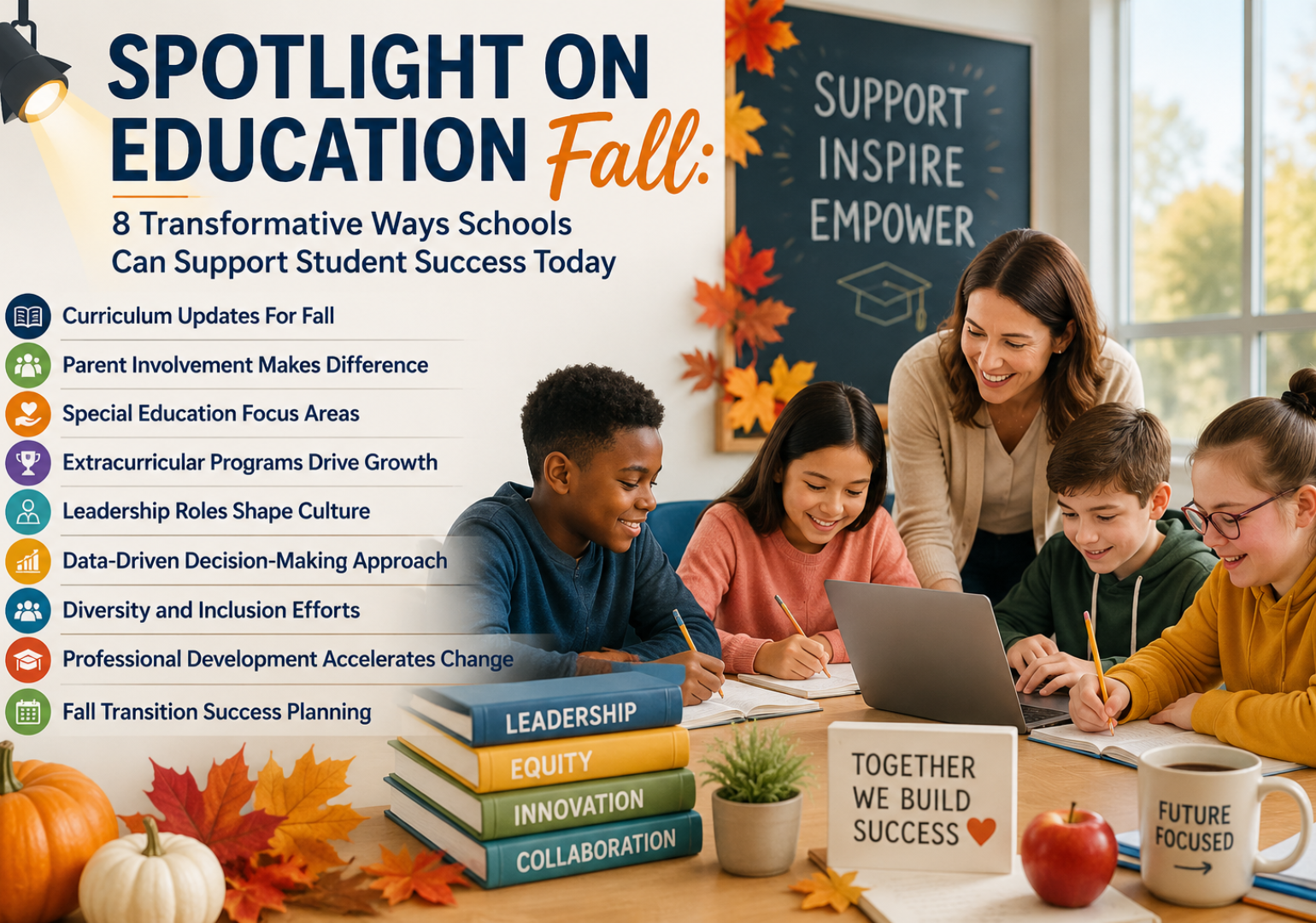
In this article, we’re looking at eight concrete ways schools can leverage this critical season to drive meaningful student success. Whether you’re a principal, teacher, curriculum coordinator, or parent wondering how to make the most of fall, you’ll find actionable strategies here.
Why Fall Matters Most
The beginning of any school year carries weight that spring simply doesn’t have. When the spotlight on education falls, students walk through doors with open minds and blank slates. They’re ready to be shaped by the systems, relationships, and expectations they encounter. Teachers, too, bring renewed energy and intentionality that fades as the year progresses and fatigue sets in.
Fall represents a reset button. Students who struggled last year get a clean start. Students who thrived have momentum to build on. The neural pathways that form during these first weeks become the foundation for everything that follows. Neuroscience backs this up—the brain’s plasticity peaks when we’re in new environments, facing new challenges, and establishing new routines. This is why the spotlight on education fall strategy matters so much.
Research shows that schools with intentional fall programming see measurable improvements in attendance, behavior, and academic performance by January. The habits students build in September persist through December and beyond. When teachers establish clear expectations, foster community, and demonstrate genuine investment in their students from day one, students respond with engagement and effort. That spotlight on education’s fall emphasis creates momentum that carries an entire academic year.
Building Strong Support Systems
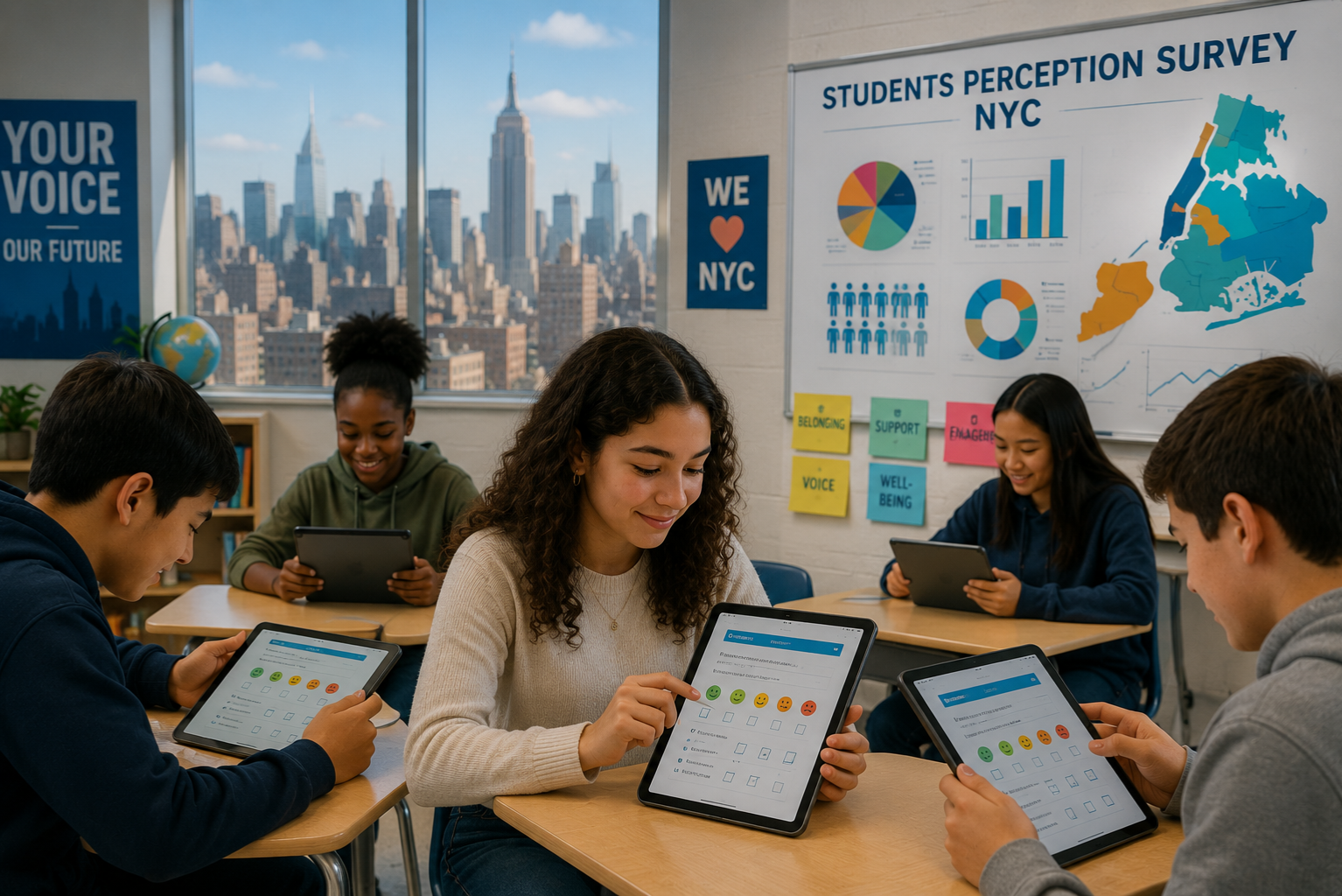
Effective support systems start with clear identification. Schools need ways to spot students who are struggling early—within the first two weeks of fall, not after progress reports in October. This means regular check-ins with classroom teachers, quick assessments of student mindsets, and honest conversations about who needs what. Student perception survey tools help schools understand how students actually feel about their learning environment, their teachers, and their peers.
Building support systems also means creating multiple pathways for students to get help. Not every student will walk into the counselor’s office and say they’re struggling. Some need peer mentors. Others need one-on-one academic coaching. Still others benefit from small group interventions focused on specific skills. When the spotlight on education’s fall period establishes these pathways clearly, students know exactly where to go when they need support. Teachers know exactly who to refer and when. That clarity prevents students from falling through cracks.
Technology’s Role This Fall
Technology in schools is no longer optional—it’s foundational. During the spotlight on education fall season, schools have a chance to implement new tools, update infrastructure, and train staff on platforms that will support learning all year. But technology isn’t magic. It only works when it’s implemented thoughtfully, with clear purposes tied to actual learning outcomes.
The best schools ask hard questions before adopting new technology. What problem does this solve? How will students actually use this? What training do teachers need? Will this deepen learning or distract from it? When the spotlight on education’s fall period brings new systems online—learning management platforms, digital collaboration tools, assessment software—the implementation matters enormously. Schools that dedicate time to teacher training in August see better adoption rates and higher student engagement.
Hybrid learning models emerged from necessity during the pandemic but proved surprisingly effective when done well. As schools return to in-person focus this fall, many are keeping elements of technology integration that actually enhance learning. Students can access recordings of lessons. Teachers can give more targeted feedback through digital platforms. Parents can see progress in real-time. The spotlight on education’s fall approach to technology is practical and purpose-driven, not shiny for the sake of being shiny.
Teacher Development Opportunities Today
Teachers are the single most important factor in student learning. No technology, no curriculum, no amount of funding matters as much as having excellent teachers in front of students. Yet many schools treat teacher development as an afterthought, cramming professional development into one or two days in August when everyone’s tired and checked out. That approach wastes a massive opportunity.
When the spotlight on education funding falls, smart schools invest heavily in ongoing teacher development. This means job-embedded coaching throughout the year, not just training days. It means giving teachers time to collaborate with peers, observe excellent practice, and experiment with new approaches. It means providing resources teachers actually ask for—not mandated initiatives imposed from above. Teachers who feel invested in and supported bring their best selves to classrooms.
The spotlight on education’s fall season is ideal for launching coaching cycles. A literacy coach works with three reading teachers to improve comprehension instruction. A math coach helps elementary teachers strengthen number sense foundations. These partnerships create accountability, build expertise, and model collaborative learning culture. When teachers grow, students grow. Schools that prioritize this during fall see measurable gains in student achievement by spring.
Student Engagement Strategies Work
Student engagement isn’t something that happens by accident. It’s built intentionally through classroom design, relationship building, and instructional choices. When the spotlight on education fall period begins, teachers have a rare opportunity to establish engagement patterns that last. Students who feel connected, challenged, and seen in September maintain that engagement throughout the year.
Effective engagement strategies meet students where they are. Some students engage through discussion. Others through hands-on projects. Others through independent reading or writing. The spotlight on education fall approach differentiates engagement opportunities so every student finds entry points to learning. Teachers who know their students’ interests, learning preferences, and strengths can design activities that pull students in naturally. That’s not differentiation for the sake of it—it’s responsive teaching that actually works.
Community building is another critical engagement lever. Icebreaker activities in the first week matter. Advisory periods or homeroom time that builds relationships matter. Classroom cultures where students feel safe trying, failing, and trying again matter enormously. The spotlight on education fall foundation of strong community relationships carries through the entire year. Students who feel like they belong show up more, try harder, and persist through challenges.
Community Partnership Benefits Fall
Schools don’t exist in isolation. They’re embedded in communities with resources, expertise, and stakes in student success. The spotlight on education fall moment is perfect for deepening community partnerships. Schools might connect with local businesses to offer internships or guest speakers. They might partner with community centers to offer after-school programs. They might engage local authors, artists, or professionals to bring real-world relevance to curriculum.
These partnerships do several things at once. They give students windows into possible futures. They make learning feel relevant and connected to the real world. They show students that adults beyond their immediate families care about their success. The spotlight on education and fall emphasis on community partnerships also brings resources schools might not otherwise have—funding, expertise, facilities, volunteers.
Successful community partnerships start with clear communication about what schools need and what partners want to provide. It’s not transactional. It’s relational. Schools that build genuine partnerships see those relationships deepen and strengthen over time. A local engineer who comes in to do a STEM workshop in September might return monthly. A community center director who hosts after-school programs becomes a trusted collaborator in supporting student success.
Mental Health Awareness Initiatives
The spotlight on education this fall comes at a critical time for student mental health. Summer breaks disrupt routines, separate students from peer relationships, and sometimes expose them to difficult home situations. The transition back to structured school can trigger anxiety for students with trauma histories, learning disabilities, or social anxiety. Schools that acknowledge this reality and act on it create safer environments for all students. Research from CDC youth mental health initiatives shows that school-based interventions significantly reduce anxiety and depression rates among adolescents.
Mental health initiatives during fall might include universal screening for anxiety and depression, classroom lessons about managing stress and emotions, and clear information for parents about counseling and support services available at school. Teachers need training to recognize signs of distress and know how to respond with compassion. The spotlight on education fall approach includes concrete practices like stress-relief breaks in the classroom, mindfulness moments at the start of the day, and easy pathways for students to talk to counselors.
School counselors often feel overwhelmed, especially in large schools where they’re responsible for hundreds or thousands of students. The spotlight on education fall strategy distributes mental health support across the entire school community. Trained peer mediators help resolve conflicts. Student leaders support new students during transitions. Teachers incorporate social-emotional learning into daily instruction. When mental health becomes everyone’s responsibility, not just the counselor’s, schools create genuinely supportive environments.
Assessment and Progress Tracking
Assessment doesn’t have to mean high-stakes testing. In fact, the best assessment during the spotlight on education fall season is low-stakes and frequent. Teachers use quick checks for understanding to see what students know and what they need. This formative assessment data guides instruction, helps teachers adjust in real-time, and gives students frequent feedback on their progress. That feedback loop is crucial for learning.
The spotlight on education’s fall period is when schools establish assessment systems and routines that will operate all year. Teachers learn to use data without being enslaved by it. Assessments inform decisions about grouping, pacing, and intervention without becoming punitive. Students understand that assessment is information, not judgment. They learn to look at their own data and set goals based on what they see. This growth mindset about assessment transforms how students experience learning.
Progress tracking systems need to be accessible to students, families, and teachers. When parents can log in and see what their child is learning and how they’re progressing, they become partners in supporting learning. When students see their own progress over time—graphs showing reading levels climbing, math skills building—they feel agency and motivation. The spotlight on education fall emphasis on transparent progress tracking creates accountability systems that actually motivate rather than discourage.
Curriculum Updates For Fall
Curriculum is the what and how of what students learn. Updated curriculum for fall might include new standards, new materials, new units designed by teachers themselves. The spotlight on education fall moment is when schools can introduce changes and make them stick. If curriculum changes happen in March, they never gain traction because the year’s almost over. Fall gives changes momentum.
Effective curriculum updates are aligned—to standards, yes, but also to what actually matters in students’ lives. A unit on climate change isn’t just about science standards; it’s about agency and solutions. A unit on money management isn’t just arithmetic; it’s about decisions students will make in their own lives soon. The spotlight on the education fall curriculum includes relevance alongside rigor. Students understand why they’re learning what they’re learning.
Curriculum coordination across grade levels ensures students aren’t repeating the same content or encountering glaring gaps. A middle school math teacher shouldn’t assume all students know concepts that fifth-grade standards require. Vertical alignment—looking at what students should know from grade to grade—prevents wasted time and ensures coherence. The spotlight on education fall period is ideal for curriculum teams to meet, review standards, and ensure their units align with what comes before and after.
Parent Involvement Makes Difference
Parents are the most important adults in students’ lives. When schools actively involve parents, students succeed more. Yet many schools see parent involvement as something that happens after school in the library or at fundraising events. The spotlight on the education fall approach to parent involvement is deeper and more intentional. Schools invite parents into learning—to understand what their child is studying, how they can support learning at home, what schools are trying to accomplish.
The spotlight on education fall communications to parents should include concrete information about curriculum, learning goals, and how parents can help. Not guilt-inducing requests to volunteer for endless activities. Practical guidance like: “Here’s how to ask questions about your child’s school day. Here are books that connect to what we’re learning. Here are ways you can practice math facts at home without it feeling like more school.” When parents understand what schools are doing and feel equipped to support learning, engagement increases across the board.
Parent-teacher conferences in fall matter enormously. Teachers should come prepared with specific information about how each student is learning, what they’re struggling with, and what their strengths are. These conversations should be two-way—teachers listening to what parents know about their child, understanding family circumstances that affect learning, building genuine partnerships. The spotlight on education’s fall foundation of strong parent relationships carries through the entire year.
Special Education Focus Areas in Spotlight On Education Fall
Students with disabilities deserve the same spotlight on education fall opportunities that other students get. Yet many schools still treat special education as separate, disconnected from the main work of schooling. Inclusive schools position special education as everyone’s responsibility. Students with IEPs spend meaningful time in general education classrooms alongside peers. Special educators collaborate with general education teachers to differentiate instruction within regular classes.
The spotlight on education fall includes ensuring special education teachers have time to coordinate with classroom teachers, that students with disabilities have equitable access to enrichment and extracurricular activities, and that assistive technology and accommodations are in place from day one. Nothing worse than a student spending the first month of school without their necessary supports because paperwork hasn’t been processed. Fall is when systems get built that protect student access all year.
Transition planning for students moving between schools or programs is crucial fall work. A fifth-grader moving to middle school, a student graduating from elementary special education into general education classrooms—these transitions need intentional support. Multiple visits to the new environment. Meetings with new teachers. Clear communication about what will be different and what will stay the same. The spotlight on the education fall approach ensures students with IEPs feel secure and prepared, not blindsided.
Extracurricular Programs Drive Growth
Extracurricular activities aren’t extras—they’re essential. They’re where students find communities, develop interests, build confidence, and experience success that might not happen in the classroom. Yet many students have no access to extracurriculars because they’re expensive or because they face barriers to participation. The spotlight on education’s fall approach to extracurriculars means expanding access and ensuring every student finds something.
Fall is when clubs launch, teams form, and activities get promoted. A school might offer robotics, debate, art, music, sports, service clubs, cultural clubs, leadership programs, and academic competitions. The point is breadth—something for every interest and personality type. Students who struggle academically sometimes thrive in extracurriculars. That success builds confidence that carries back into academics. The spotlight on education fall emphasis on extracurriculars recognizes this connection.
Building a calendar that allows real participation matters too. If all extracurricular activities happen on the same day or time, students can only do one thing. If school doesn’t offer transportation for after-school programs, low-income students can’t participate. When schools eliminate these barriers during the spotlight on education fall planning season, participation rates climb and more students experience the benefits of being part of something bigger than themselves.
Leadership Roles Shape Culture
Every school has formal leaders—principals and assistant principals. But great schools distribute leadership throughout the community. Teachers lead curriculum work. Students lead clubs and service projects. Parents lead fundraising or advocacy efforts. The spotlight on education’s fall period is when schools can clarify leadership roles and empower different people to step into them.
Student leadership programs teach responsibility, decision-making, and civic engagement. A student government that actually makes decisions about school culture (not just sells candy at lunch) teaches democracy. Student mentors supporting younger students teach empathy and connection. Student voices on hiring committees or curriculum teams teach that their perspectives matter. When the spotlight on education fall season launches with visible student leadership, younger students see possibility and pathways for their own growth.
Leadership development, like any other skill, requires intentional instruction and support. Schools that run student leadership programs seriously—with dedicated time, thoughtful curriculum, mentoring from adults, and real responsibility—see enormous benefits. Student leaders develop confidence and skills. Younger students benefit from having peer role models. The culture of the school shifts when leadership is distributed rather than hoarded at the top.
Data-Driven Decision-Making Approach
Data is everywhere in schools—attendance numbers, test scores, discipline records, grades, survey responses. The question is whether schools actually use data to make better decisions or just collect it and file it away. The spotlight on the education fall approach means schools establish routines for examining data together and using it to guide action. This requires both skill and culture change.
Teachers might look at reading benchmark data from summer testing and use it to form flexible groups in their classrooms. Counselors might examine attendance data and notice patterns that suggest which students need outreach. Grade-level teams might look at writing samples and identify common skill gaps that all classes should address. Whole schools might examine discipline data disaggregated by race and identity to identify inequitable patterns requiring intervention. The spotlight on education’s fall foundation of data awareness guides all these decisions.
Making data-driven decisions requires training and support. Not all teachers feel comfortable reading graphs or understanding statistics. Schools need to build this competency. Data conversations should be collaborative, not accusatory. Teachers seeing that their students’ writing scores are lower than a peer’s shouldn’t trigger defensiveness—it should trigger curiosity about what’s different and what they might learn from each other. The spotlight on education fall emphasis on collaborative data use builds the culture schools need to improve continuously.
Diversity and Inclusion Efforts
America’s schools are more diverse than ever. Students come from different racial, ethnic, religious, cultural, and socioeconomic backgrounds. They speak different languages at home. They have different family structures, different abilities, different ways of learning. Thriving in this context requires schools to actively work toward inclusion, not just passive diversity.
The spotlight on education fall diversity work means hiring staff that reflects student communities. It means ensuring curriculum includes diverse voices and perspectives—not just during Black History Month or Latinx Heritage Month, but woven throughout. It means teaching students about different cultures, holidays, and ways of being. It means addressing stereotypes and biases that students bring from the wider world. It means making sure students from traditionally marginalized groups see themselves in leaders, teachers, and the curriculum.
Language-learner students deserve particular attention during the spotlight on education fall season. They need assessment to understand their English proficiency level. They need teachers trained to support language development alongside content learning. They need social support so they don’t feel isolated. Family engagement looks different for families who don’t speak English fluently—schools need translators and culturally responsive communication. When diversity and inclusion work is intentional and systemic, all students thrive more.
Professional Development Accelerates Change
Professional development gets a bad reputation, and often for good reason. One-day trainings where teachers sit through lectures about strategies they’ll never use don’t create change. The spotlight on the education fall approach to professional development is different—it’s embedded in teachers’ daily work, connected to actual challenges they face, and supported with follow-up over time.
Effective professional development for the spotlight on education fall season might include instructional coaching, collaborative planning time with colleagues, job-embedded workshops, peer observation cycles, or online courses with cohorts of teachers from the school. The common element is that it’s job-embedded and sustained. A coach works with a teacher over weeks and months, not days. A learning community of teachers meets regularly to study student work and adjust practice. That ongoing support creates real change that sticks.
Schools also need to protect time for professional development. Not by canceling student time and expecting teachers to plan on their own time in the evenings. But by using collaboration time genuinely, by hiring substitutes so teachers can observe peers, by protecting early release days for meaningful work. When schools signal through their actions that professional development matters, teachers engage differently.
Fall Transition Success Planning
Spotlight On Education Fall : Moving to a new school—kindergarten, middle school, high school—is significant. Summer break means students lose routines and connection to peers. The spotlight on education fall season should include deliberate transition planning so students start strong.
Transition programming might include summer visits to the new school, meet-and-greets with teachers, connection to peer mentors, and clear communication about what to expect. For students moving from elementary to middle school, visiting the building and understanding how to navigate lockers and multiple teachers matters. For students moving from middle to high school, understanding course selection options and advanced placement pathways opens possibilities. The spotlight on education fall transition support sets the trajectory for students’ entire experience at the new level.
Students who are new to the country or the school district need even more intentional transition support. Buddy systems pairing new students with welcoming peers, orientation sessions in their home language if possible, and patience as they learn systems and navigate social dynamics—all of this matters. A student who feels welcomed during spotlight on education fall will engage more fully in learning. A student who feels lost or excluded will withdraw. The difference is often transition planning.
FAQ if Spotlight On Education Fall
What is the spotlight on education fall all about?
The spotlight on education fall represents the critical period at the start of the school year when systems, relationships, and expectations are established. It’s about schools being intentional in how they use fall to set the tone for academic and personal growth throughout the year. Schools that prioritize this period with evidence-based strategies see better attendance, behavior, engagement, and achievement outcomes all year long.
How can schools get started with Spotlight on Education fall initiatives if they have limited resources?
You don’t need massive budgets to implement meaningful spotlight on education fall changes. Start with what matters most to your context. If students struggle with transitions, invest in transition planning. If teacher collaboration is weak, protect time for teachers to work together. If student engagement is the issue, have conversations with students about what they actually want to learn. Some of the most powerful changes—stronger relationships, clearer communication, more intentional community building—cost nothing but time and thoughtfulness.
Which spotlight on education fall strategies have the strongest evidence for improving student outcomes?
Research consistently shows that a few strategies move the needle: building strong relationships between teachers and students, establishing clear expectations and routines, supporting students’ social-emotional development, involving families as partners, and using data to guide instruction. Add intentional teacher development and distributed leadership, and you have the core components of schools that improve. The spotlight on education’s fall period is when all these elements must be activated.
How do I measure whether our spotlight on education fall focus is working?
Look at multiple indicators: attendance rates and patterns by October, discipline referrals in September and October, formative assessment data showing learning progress, teacher and student engagement survey responses, family involvement rates, and any data you’re tracking related to your particular focus areas. Compare fall data to previous years. Talk to students and families about whether school feels different. Small improvements add up to significant gains over a full year.
Conclusion about Spotlight On Education Fall
The spotlight on education this fall carries enormous potential. Every year, schools get a reset button. Every fall, students arrive ready to engage differently than they did in June. Every September, teachers bring renewed energy and intention. Schools that recognize this reality and act on it transform educational experiences for thousands of students.
This comprehensive spotlight on the education fall approach isn’t complicated. It doesn’t require massive spending or revolutionary change. It requires alignment—making sure that leadership, teachers, counselors, support staff, families, and even students themselves are all working toward shared goals. It requires intentionality—being deliberate about the systems, routines, and relationships established during fall. It requires follow-through—sustaining these efforts throughout the year, not abandoning them in November when energy naturally wanes.
The eight strategies we’ve covered—building support systems, leveraging technology thoughtfully, investing in teacher development, fostering engagement, partnering with communities, prioritizing mental health, implementing transparent assessment, updating curriculum, involving families, supporting students with disabilities, expanding extracurriculars, distributing leadership, using data wisely, advancing diversity and inclusion, developing staff continuously, and planning transitions intentionally—work together to create school cultures where students thrive.
Consider where your school is now. Where’s the biggest leverage point? What one or two things, if they were different, would ripple out and improve other areas? What do your students, teachers, and families actually need? Start there. The spotlight on education fall framework gives you structure. You provide the heart—the genuine commitment to doing whatever it takes so every student succeeds. That combination changes lives.