Why A Reading Log Matters
Most parents and teachers think a reading log is just a piece of paper where kids scribble book titles. That’s not even close to the full picture. A reading log is actually one of the simplest tools you can hand a child to build a lifelong relationship with books. It tracks progress, sure, but it also gives kids something tangible to look back on and feel proud of.
When a child fills out a reading log week after week, something shifts. They start noticing patterns in what they enjoy. Maybe they realize they love mystery books more than fantasy, or that graphic novels keep them hooked longer than chapter books. That kind of self-awareness doesn’t happen by accident — it happens because the reading log forces a small moment of reflection every single time.
Teachers also rely heavily on this tool because it gives them a quick snapshot of where each student stands. Instead of guessing who’s reading at home and who isn’t, the log lays it out plainly. It’s not about catching kids who skip reading; it’s about spotting which students need a nudge and which ones are already flying.
Picking The Right Format
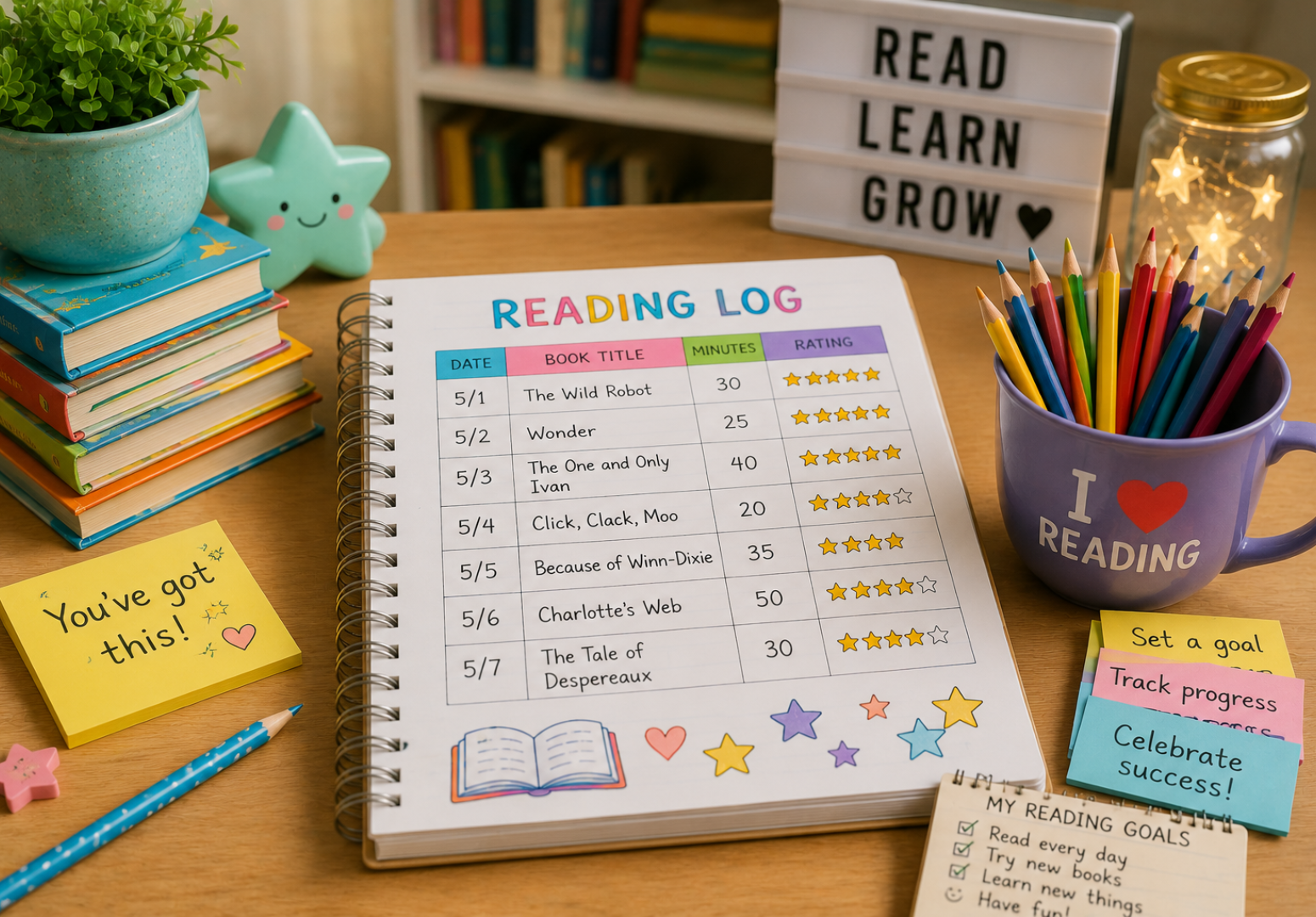
Not every reading log works for every kid, and that’s something a lot of adults get wrong. Some children thrive with a simple checklist — book title, date started, date finished, done. Others need more space to doodle, rate the book with stars, or write a sentence about their favorite character. If you hand a chatty, creative kid a boring checklist, they’ll lose interest in a week.
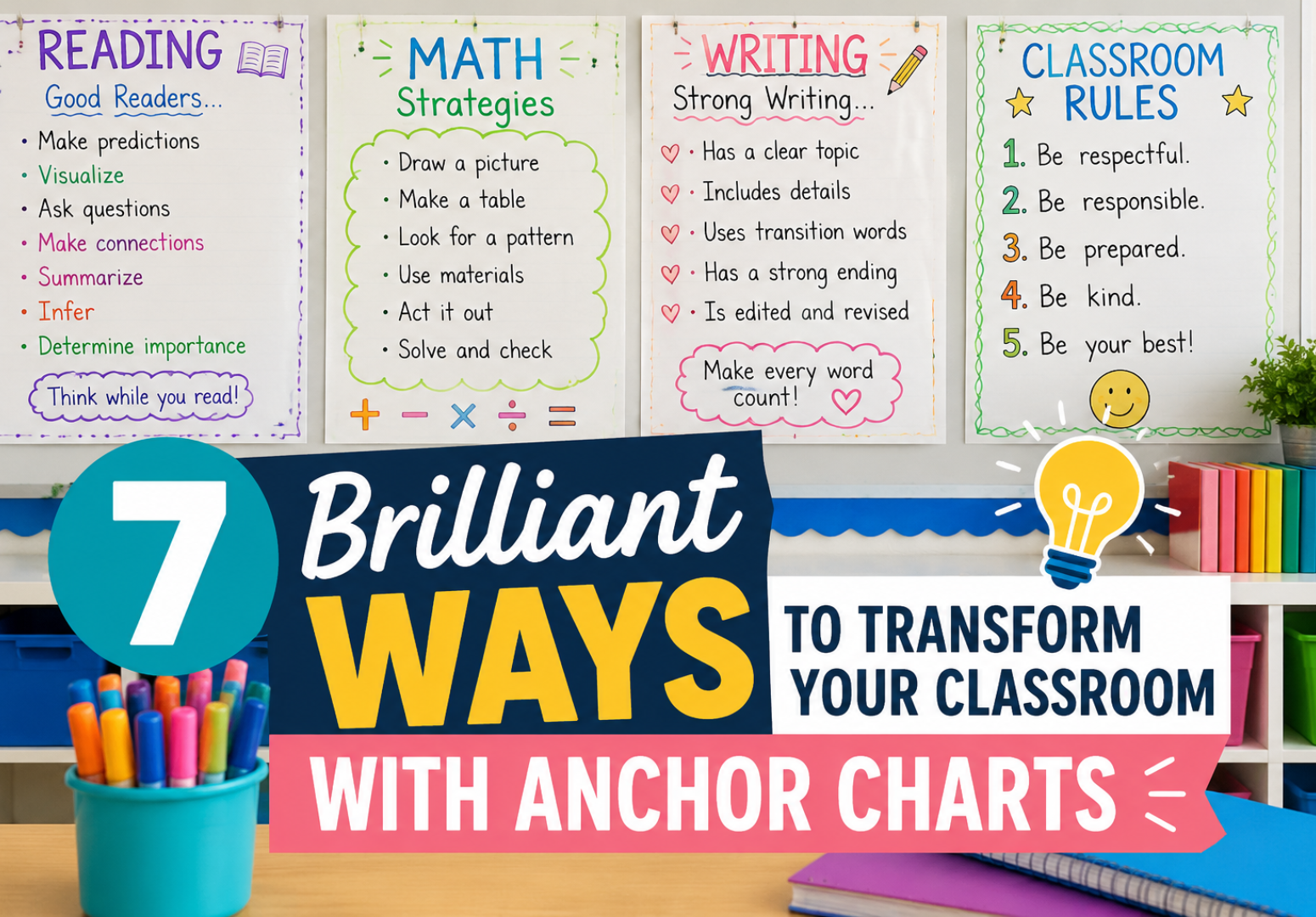
For younger readers, picture-based logs work wonders. Think little boxes where they color in a star for every chapter read, or stickers for every ten minutes spent with a book. You can find practical formatting ideas in resources like this anchor chart guide, which breaks down visual tracking methods that work great for classroom walls or take-home folders. Visual logs remove the pressure of writing and let the act of reading stay front and center.
Older kids, especially those in middle school, often respond better to digital reading logs. Apps and spreadsheets feel less like homework and more like a personal project they control. The format matters less than the consistency, though. A reading log only works if it gets used, so picking something the child actually enjoys filling out is half the battle won.
Setting Realistic Daily Goals
One mistake that ruins reading logs fast is setting unrealistic expectations. Telling a second grader they need to read for an hour every night is setting them up to fail before they even open a book. Twenty minutes is plenty for most young readers, and even that can feel like a stretch on busy weeknights.
The goal isn’t to turn reading into another chore stacked on top of homework and chores. It’s to build a small, sustainable habit that sticks. A reading log should track effort, not perfection. If a kid only manages ten minutes one night because of a soccer game, that’s still worth logging. Showing up consistently, even briefly, beats forcing thirty minutes once a week.
Parents sometimes ask how long a reading log entry should take to fill out. Honestly, under two minutes is the sweet spot. Title, time spent, maybe a quick rating — that’s enough. The second it starts feeling like a writing assignment, kids start dreading it, and the whole point gets lost.
Making It Feel Like Fun
Kids can smell forced enthusiasm a mile away, so if a reading log feels like punishment, they’ll treat it that way. The trick is sneaking in elements of play without making it feel gimmicky. Reward charts work for some families — finish five books, earn a trip to the bookstore or an extra hour of screen time on the weekend.
Other families turn it into friendly competition. Siblings racing to see who logs more pages in a month can spark genuine excitement, as long as it stays lighthearted and doesn’t turn into pressure or comparison that makes one kid feel behind. Classrooms do this too, often with a bulletin board showing how many books each table group has read collectively rather than singling out individuals.
Letting kids personalize their reading log also helps. Stickers, drawings, colored pens — small touches that make the log feel like theirs rather than something assigned. A reading log doesn’t need to look like a spreadsheet to be effective. Sometimes the messier and more colorful it looks, the more a kid wants to keep adding to it.
Tracking Genres And Variety
A reading log isn’t only useful for counting books finished. It’s a great way to spot whether a child is stuck in a genre rut. Plenty of kids will read the same series over and over because it’s comfortable, and there’s nothing wrong with that for a while, but variety matters for building stronger reading skills over time.
By glancing back through a few months of entries, parents and teachers can see if a kid has only touched fantasy or only picked graphic novels. That’s useful information. It doesn’t mean forcing a reluctant reader into nonfiction against their will, but gently introducing a mystery novel or a short biography alongside their favorites can widen their taste without feeling forced.
Some reading logs even include a small section for genre tags or a simple color code. Blue for fantasy, green for nonfiction, that sort of thing. Over a semester, those little color patches create a visual map of a child’s reading journey. It’s oddly satisfying to look at, honestly, and kids often enjoy seeing their own reading habits laid out like that.
Involving Parents Without Pressure
Teachers often send reading logs home expecting parent involvement, but here’s where things can go sideways fast. If a parent treats the log like a strict enforcement tool, checking boxes and demanding signatures every night, reading starts feeling like surveillance instead of enjoyment. That kills motivation quicker than almost anything else.
A better approach is treating the reading log as a conversation starter rather than a report card. Asking a kid what happened in their book tonight, or which character annoyed them, opens up a two-minute chat that feels natural. Signing the log becomes an afterthought rather than the main event. Kids pick up on whether their parent actually cares about the story or just cares about the signature.
Busy households sometimes struggle with daily check-ins, and that’s fine too. A quick weekend review works just as well for plenty of families. Sitting down once a week to flip through the reading log together, laughing about a weird plot twist or talking about a cliffhanger, builds connection without adding nightly pressure on either side.
Using Logs For Comprehension
A reading log shouldn’t just track that a book got finished — it can also reveal how much a child actually understood. Adding a simple prompt like “what was your favorite part” or “what do you think happens next” gives a quick window into comprehension without turning into a full book report.
According to research compiled by the National Institute of Health, regular reading interaction at home strengthens vocabulary and comprehension skills significantly more than passive reading alone. That’s a strong argument for why a reading log paired with even a tiny bit of discussion outperforms one that’s just filled out silently and handed back.
Teachers sometimes use reading log responses to spot comprehension gaps early. If a student consistently struggles to answer simple prompts about their book, that’s a signal worth following up on. It’s a low-pressure way to catch issues before they show up on a bigger test or assignment, and it doesn’t require pulling a kid aside for a formal assessment.
Reading Logs In The Classroom
Classroom reading logs serve a slightly different purpose than the ones used at home. Teachers juggling twenty-five or thirty students need a quick way to see who’s keeping up with independent reading time. A well-designed reading log becomes a management tool as much as a literacy one.
Some teachers post a classroom-wide reading log on a wall chart, letting students move a marker or sticker forward as they finish books. This creates a visible, shared sense of progress that individual paper logs in a folder just can’t replicate. Kids glance at the wall, see their sticker moving along, and feel a small spark of motivation without anyone saying a word about it.
Group reading logs also work well for book clubs or literature circles within a class. Instead of tracking individual progress, the log tracks discussion points, questions raised, and predictions made by the group. This shifts the focus from solitary tracking to collaborative engagement, which suits kids who learn better through conversation than quiet record-keeping.
Digital Versus Paper Logs
The debate between digital and paper reading logs comes up constantly among teachers and parents. Paper logs feel more personal, more tactile. There’s something satisfying about physically checking a box or writing a title by hand that digital tools can’t quite replicate for younger kids especially.
Digital reading logs, though, offer convenience that paper just can’t match. Apps can track reading time automatically through audiobooks, send reminders, and even generate charts showing progress over months. For older students juggling multiple subjects and busy schedules, a digital reading log on their phone or tablet often gets used more consistently simply because it’s already in their pocket.
There’s no universally right answer here. Younger elementary kids generally do better with paper, since the physical act of writing reinforces the reading habit itself. Middle and high schoolers often prefer digital options because it matches how they already organize the rest of their lives. Mixing both, depending on the child’s age and preference, tends to work better than forcing one system on everyone.
Avoiding Common Logging Mistakes
Plenty of well-meaning reading logs fail because of small, avoidable mistakes. One of the biggest is making the log too complicated. If a child needs ten minutes just to fill out the paperwork after finishing a chapter, they’ll quit fast. Simplicity should always win over thoroughness when it comes to daily logging.
Another common mistake is tying the reading log too tightly to grades or punishment. The second reading starts feeling like it’s only happening to avoid a bad grade, the joy drains out completely. Kids start gaming the system, writing down books they never actually finished just to satisfy the requirement. That defeats the entire purpose.
Inconsistency from adults causes problems too. If a parent enforces the reading log strictly for two weeks and then forgets about it for a month, kids notice the lack of follow-through and stop taking it seriously themselves. A reading log works best as a steady, low-key habit rather than something that swings between intense focus and total neglect.
Reading Logs For Reluctant Readers
Kids who already dislike reading need a completely different approach than eager bookworms. Forcing a detailed reading log on a reluctant reader often backfires, making the whole experience feel even more like a chore they’re being forced into. For these kids, the log needs to celebrate tiny wins rather than track strict requirements.
Lowering the bar dramatically helps here. Even five minutes of reading, logged with genuine enthusiasm from a parent or teacher, can shift a reluctant reader’s mindset over time. Letting them pick comic books, magazines, or even cereal boxes counts as reading material in the early stages. The reading log isn’t there to judge quality; it’s there to build momentum.
Some reluctant readers respond well to audiobooks paired with a simplified log. They might not enjoy decoding words on a page yet, but following along with a story they can listen to still builds vocabulary and comprehension. Logging audiobook time alongside traditional reading sends the message that all forms of engaging with stories count, which takes pressure off kids who struggle with traditional reading.
Connecting Logs To School Clubs
Reading logs don’t have to exist in isolation from the rest of a child’s school life. Plenty of schools run reading-focused clubs that pair naturally with logging habits, giving kids a social reason to keep their reading log updated beyond just personal tracking. Check out this breakdown of school clubs for ideas on how reading-based groups can boost engagement school-wide.
Book clubs built around shared reading logs add accountability without feeling like surveillance. When a group of kids all track the same book together, comparing notes becomes part of the fun rather than a chore. They start looking forward to club meetings just to share predictions or argue about plot twists, and the reading log becomes secondary to the actual conversation.
Library reading challenges often tie into this too. Many public libraries run summer reading programs that essentially function as large-scale reading logs, with prizes for milestones reached. Kids already familiar with logging their reading at school transition easily into these programs, since the format feels familiar rather than like a brand-new system to learn.
Long Term Benefits Of Logging
The benefits of a consistent reading log stretch far beyond a single school year. Kids who track their reading habits early often carry better self-monitoring skills into other areas of life. Tracking progress, no matter what the subject, becomes a familiar and comfortable practice rather than something intimidating.
Vocabulary growth shows up clearly over time too. A kid who reads consistently for even fifteen minutes a day, tracked through a reading log, encounters thousands more words per year than one who reads sporadically. That gap compounds over elementary and middle school years, often showing up in stronger writing and comprehension scores by high school.
There’s also a quieter, harder-to-measure benefit: confidence. Flipping back through months or years of a reading log and seeing dozens of completed books gives kids a real sense of accomplishment. It’s proof, in their own handwriting or their own app history, that they stuck with something and got better at it. That feeling tends to spill over into other parts of school and life.
Reading Logs And Family Bonding
Family reading time built around a shared log can become one of the more underrated bonding rituals in a household. Parents who read alongside their kids, even logging their own books in a shared family reading log, model the behavior far more effectively than just telling kids to read on their own.
Some families keep a single shared reading log on the fridge or a kitchen wall, where every member adds their current book and a quick star rating once finished. It turns into a low-key conversation piece. Someone glances at it while grabbing a snack and asks how a sibling’s book is going, and suddenly reading becomes a topic at dinner instead of a solitary task done behind a closed door.
Grandparents and extended family can get involved too, especially during visits or video calls. Asking a grandchild to read their newest reading log entry out loud gives kids a low-pressure audience and makes the whole habit feel celebrated rather than just tracked quietly in a notebook nobody else sees.
Customizing Logs By Age
A reading log designed for a six-year-old looks nothing like one designed for a thirteen-year-old, and that’s exactly how it should be. Younger kids need visual, simple formats with pictures and minimal writing. Asking a first grader to write a paragraph summary defeats the purpose and turns logging into a writing assignment instead of a reading one.
Middle schoolers can handle more detail, like genre tracking, page counts, and short reflections. By this age, many kids enjoy having some ownership over the format, so letting them design their own log layout, whether on paper or in an app, often increases buy-in significantly compared to a rigid template handed down by a teacher.
High schoolers sometimes benefit from logs that connect to broader goals, like reading lists for college applications or personal reading challenges they set for themselves. At this stage, the reading log shifts from being an assigned tool to something closer to a personal habit-tracking system, similar to fitness or journaling apps they might already use for other parts of their life.
Reading Logs And Standardized Tests
Teachers sometimes use reading log data to predict or explain standardized test performance, and there’s a reasonable connection there. Kids who log consistent independent reading time throughout the school year tend to show stronger reading comprehension scores compared to those who only read assigned texts in class.
This doesn’t mean a reading log guarantees a perfect score, obviously. Plenty of other factors affect test performance. But the correlation between steady reading habits and stronger vocabulary, faster reading speed, and better comprehension is well documented enough that many schools actively encourage logging as part of test preparation strategy, especially leading into spring testing windows.
Some districts even build light reading log requirements into report cards, not as a punitive measure but as a gentle nudge reminding families that consistent reading at home supports what’s happening in the classroom. It’s not about adding stress before a big test; it’s about reinforcing a habit that pays off naturally over months rather than cramming right before an exam.
Frequently Asked Questions
What age should a child start using a reading log?
Most teachers introduce simple reading logs around first or second grade, once kids can recognize basic sight words and sit through short books independently.
How detailed should a daily reading log entry be?
Keep it short. A title, time spent, and maybe a one-word rating is plenty for most kids, especially younger readers who shouldn’t spend more time writing than reading.
Can audiobooks count toward a reading log?
Yes, absolutely. Listening to a story still builds vocabulary and comprehension, so logging audiobook time alongside traditional reading sends a healthy message about what counts as reading.
What if my child refuses to fill out their reading log?
Lower the stakes first. Switch to a simpler format, remove any pressure tied to grades, and consider filling it out together for a while until it feels less like a chore.
Final Thoughts
A reading log, at its core, is just a simple way to notice progress that would otherwise go unrecognized. It’s not magic, and it won’t turn every reluctant reader into a bookworm overnight. But used consistently, with the right amount of flexibility, a reading log quietly builds habits that stick around far longer than the notebook or app it started in.
The biggest takeaway for parents and teachers alike is that pressure kills the whole point. A reading log should feel like a small celebration of progress, not a strict requirement hanging over a child’s head every evening. Keep formats simple, keep goals realistic, and let kids have some ownership over how their log looks and feels.
Whether it’s a colorful paper chart on a bedroom wall or a digital app tracked from a tablet, the format matters far less than the consistency behind it. Years from now, most kids won’t remember the exact layout of their childhood reading log. They’ll remember the stories they discovered along the way, and that’s really the entire point of keeping one in the first place.